

Do not treat Berlin techno clubs as attractions on a sightseeing list. They run as living infrastructure, built on political rupture and a city that for decades simply did not care what happened after midnight. This guide covers the venues, the culture around them, and what is actually shifting beneath the surface right now.
Why Berlin Defines Underground Techno Culture
Berlin became the world capital of underground techno because the fall of the Wall in 1989 left behind a city full of abandoned buildings and zero oversight. Artists and DJs filled those spaces before anyone thought to regulate them. In March 2024, UNESCO recognised Berlin’s techno culture as intangible cultural heritage, a formal acknowledgment of what the scene built over three decades.
No other city combined political vacuum and physical space at the same moment. Detroit invented the sound. Berlin gave it a permanent address.
How Berlin Became a Global Techno Capital
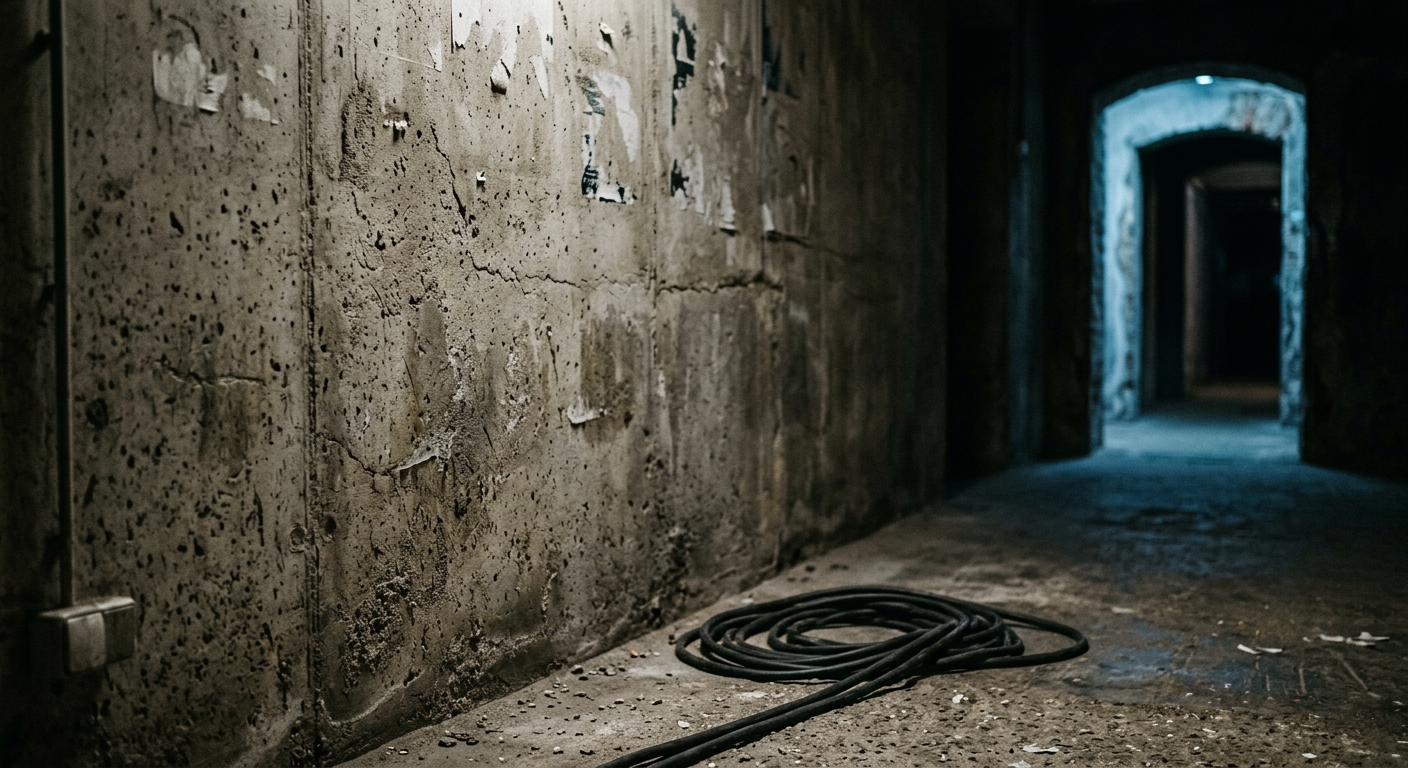
After reunification, derelict power stations and bunkers became dancefloors in a matter of months. There were no noise complaints because there were no neighbours. Clubs like Tresor opened in 1991 in a former vault, running Detroit imports on a sound system bolted to concrete walls. That raw, improvised energy pulled producers from across Europe and the US, and by the mid-1990s Berlin had overtaken Detroit itself as the city most associated with the genre.
What Makes Berlin Clubs Feel Truly Underground
Dark rooms. No phones. Berlin clubs strip away everything that distracts from the music and the people around you. Cameras get taped at the door. Lighting stays spare: strobes and haze. You lose track of time because that is the point. The evolution from analogue roots to digital systems happened here in real time, with clubs adopting specialist sound rigs long before festival stages caught up.
How Berlin’s History Shaped Its Club Scene
Political division meant one half of the city had a draft-exempt, subsidy-fuelled counterculture, while the other had vast industrial zones that emptied out after 1989. When the Wall fell, those two energies merged. Techno was the soundtrack to reunification, not a genre imported from abroad but something that grew directly from the city’s fracture. That origin story still shapes how Berlin clubs operate: collectively run, politically aware, resistant to commercialization.
The Most Iconic Berlin Techno Clubs Worth Knowing
Berghain and Tresor represent distinct eras and philosophies of Berlin techno, and both remain active and programmatically uncompromising. These are not nostalgia venues. Each one books artists who push the sound forward, and each draws a crowd that shows up for the music.
Knowing the differences between them matters. Walking into Tresor expecting a Berghain experience will confuse you. They serve different functions in the ecosystem.
Berghain: Why It Remains a Techno Landmark
Berghain’s power comes from its programming and its room. The main floor, a former power plant turbine hall, has a ceiling height that lets sound develop in ways smaller clubs cannot replicate. Sets run six, eight, sometimes twelve hours. Core residents play with a patience that rewards staying on the floor. The no-phone policy is not a gimmick; it changes how people behave in the room.
Tresor: Berlin’s Industrial Techno Institution
Tresor opened in 1991 in the vault of a former department store and became the direct link between Detroit and Berlin. The club relocated to a power plant in 2007, but the basement floor still runs that same industrial, low-ceiling, high-volume formula. If you produce tracks with raw techno textures, Tresor’s programming is the reference point.
OHM: Berlin’s Home for Experimental Techno
OHM sits beneath Tresor in the same building complex but operates with a completely different curatorial identity. The room is smaller, with bookings that lean toward ambient and experimental electronics. You will hear sets at 115 BPM that would clear the floor upstairs. OHM functions as a laboratory, a space where artists test ideas that are not yet ready for peak-time rooms. That makes it essential, not secondary.
Hidden Berlin Clubs and Off-Radar Venues Locals Love
The clubs locals actually attend week after week are rarely the ones in international guides. About Blank and a rotating cast of warehouse events draw the resident crowd because they prioritise community and consistent local bookings over headliner tourism. Cover charges at these venues often sit around €10 to €15, well below the €20 to €30 average at higher-profile spots.
Finding these spaces requires paying attention. Listings platforms, groups run by local collectives, and old-fashioned word of mouth remain the primary channels.
Which Berlin Clubs Do Locals Actually Attend
About Blank in Friedrichshain pulls a politically engaged, queer-friendly crowd that has been showing up since the club opened. RSO.Berlin, operating out of a former railway repair hall, books harder and faster programming than most tourist-facing venues. These clubs do not advertise on Instagram. They do not need to. Their crowds are self-selecting, built on years of trust between the venue and the neighbourhood.
Where to Find Berlin’s Best-Kept Secret Venues
Pop-up events in unmarked warehouses on the city’s outskirts have filled the gap left by closures in more central neighbourhoods. Addresses arrive via messaging apps a day before the event. No flyers, no posters. If you are visiting Berlin and want access, follow local collectives on social media and check daily. The information is there, but it does not wait for you.
About Blank: Berlin’s Community-Driven Club
About Blank operates as a collectively run space with a garden and programming that ranges from techno to political fundraisers. The door is selective but not performatively so. Show up respectful and sober enough to have a conversation. The club has survived because its community defends it.
Navigating Berlin Club Culture and Door Policies
Berlin’s door policies function as curatorial decisions about the room’s atmosphere. A 2025 study based on 38 interviews with bouncers and club owners found that door staff at one renowned club made roughly 500 selection decisions in a single night. Door staff are protecting the room’s atmosphere.
Understanding this reframes the experience. You are not being judged on your outfit. The assessment is about how your presence will affect what is already happening inside.
How Berlin Club Door Policies Actually Work
Bouncers read body language and group energy. Large groups get split or turned away because they change the room’s balance. Couples taking selfies in the queue signal tourism rather than genuine intention. Go alone or with one friend. Make eye contact. Answer questions in German if you can. None of this guarantees entry, but it shifts the odds.
What to Wear to Berlin Techno Clubs
Black. Simple. Functional. Leave the designer logos at the hotel. Berghain’s dress code is not written down, but the unspoken standard is dark, utilitarian clothing that signals you are there to dance. Comfortable shoes matter more than any specific brand. You might be on your feet for eight hours. Dress for that reality.
Common Reasons for Rejection at Berlin Clubs
Showing up visibly drunk is the fastest way to get turned away. Talking loudly in line, laughing performatively, or checking your phone constantly all signal the wrong intent. Groups of four or more men without mixed company rarely get in. And asking „Is this Berghain?“ while standing in front of it will end your night immediately. The door is not a game. Treat it like a conversation.
Best Times and Seasons to Experience Berlin Clubs
Saturday night into Sunday morning is the peak window for Berlin techno clubs, with most major venues running continuous programming from midnight Saturday until Monday morning. Typical admission runs around €15 at established clubs, though special events push higher. The city’s club culture operates year-round, but the character of a night shifts dramatically between seasons.
May 1st, Berlin’s unofficial street-party holiday, reliably produces some of the year’s best lineups across multiple venues simultaneously.
When Berlin Clubs Peak in Atmosphere and Crowd
The sweet spot at most Berlin clubs is between 3 a.m. and 7 a.m. on Sunday. The early crowd has filtered out, the tourists who came for the novelty have left, and the room belongs to people who are genuinely locked into the music. Arriving at midnight means standing in a half-empty room. Walking in at 4 a.m. means the floor has already found its rhythm.
Which Berlin Club Nights Have the Best Lineups
The weekend marathon session running Saturday into Sunday consistently features the strongest programming. Friday nights at Tresor often spotlight newer acts on the label roster. About Blank’s queer and leftist event series, scattered across the calendar, draw dedicated crowds regardless of the day. Check listings weekly; lineups drop late and sell out fast for the smaller rooms. If you are thinking about how to remix tracks for peak-time energy, these rooms are where that energy gets tested.
Berlin Clubbing in Summer vs Winter: What to Expect
Winter produces the more intense indoor experiences. Colder streets and fewer tourists mean the rooms fill with locals who are there because they need to be. Summer opens up garden stages and open-air events along the Spree, but the indoor floors thin out. Both are worth experiencing, but winter Berlin at 5 a.m. in a concrete basement hits different than a sunny afternoon in a beer garden with a DJ.
How Berlin’s Club Scene Is Evolving and Surviving
Berlin’s techno club map has changed more in the last 24 months than in the previous decade. Iconic venues like Watergate have already closed, and Salon zur Wilden Renate held its 86-hour farewell party in early January 2026. Rising rents, noise complaints from new residential developments, and investor pressure on prime real estate are compressing the geography of the scene.
The closures are real. But so are the openings. New spaces keep appearing in outer districts, further from the centre and often better for it.
Are Berlin Techno Clubs Under Threat of Closure
Yes, and the threat is structural, not hypothetical. Every club operating on a short-term lease in a gentrifying neighbourhood is on borrowed time. Watergate’s closure was not a surprise to anyone paying attention. The question for each remaining venue is whether it owns its building, holds a long-term lease, or has cultural-heritage protection. Without one of those three, the math eventually loses.
How Gentrification Is Reshaping Berlin’s Club Culture
New apartment buildings along the Spree have turned former industrial zones into residential neighbourhoods with noise-sensitive tenants. Clubs that operated without complaints for 15 years now face legal challenges from people who moved in next door. Industry bodies lobby for zoning protections, and some venues have gained cultural-institution status, but the process is slow and not every club qualifies. The scene is migrating east and south, into Schöneweide and beyond the Ring.
The Future of Underground Clubs in Berlin
The underground does not disappear. It relocates. Berlin’s next generation of clubs will likely operate further from the centre, in less obvious buildings, with less visible promotion. Collectives are already running events in spaces that do not have permanent club infrastructure, using mobile sound systems and temporary permits. The spirit survives because it was never about a specific address. It was about what happens when the right people, the right sound, and the right room collide at 4 a.m.
